-
-
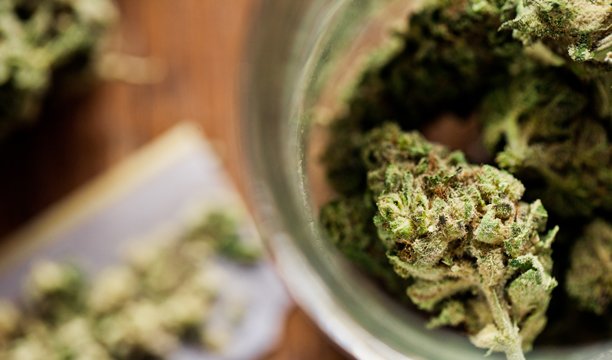
Cannabis-based booze set to be “biggest disruptor that ever was” in US market http://ow.ly/4d9M307TTKO
 The Spirits Business
Alcohol toxic, addictive, psychoactive
Cannabis-based booze set to be “biggest disruptor that ever was” in US market http://ow.ly/4d9M307TTKO

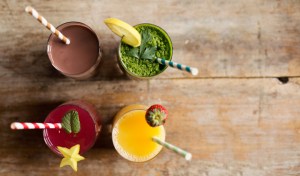
As millennials cut back on the amount they drink, there are increasing opportunities for drinks companies to offer low or no-alcohol serves. By Alice Lascelles.http://ow.ly/6WVY307KfTV
Where does the spirit brand of the future fit?
Can you guess what the best-selling spirit in the Selfridges drinks department was in January 2016?
It was Seedlip, the world’s first distilled botanical spirit with a zero abv. You can blame some of this spike on Dry January, but the fact that a non-alcoholic product gave hard liquor a run for its money in a top-end retailer, even just for a month, speaks volumes about the changes in the UK drinks market, which has seen alcohol consumption fall by nearly 20% in the past 10 years, according to think tank Demos.
Today, around one in five adults in the UK is teetotal, with many more choosing to drink less, and less often. So where does the spirit brand of the future fit into all of this?
To understand that, says Mintel’s global drinks analyst Jonny Forsyth, you need to get inside the mind of the consumers who are driving the change: the 18- to 35-year-old millennials.
“Millennials don’t actually drink significantly less in the UK than all adults,” says Forsyth, who gave a compelling seminar on the subject at the recent Global Drinks Forum, which took place in Berlin on 10 October. “However, where you see the real difference is in frequency. Only 7% of millennials drink alcohol daily compared with 11% for total UK adults.”
Hip to be healthy
The main reason this new generation is more inclined to take a breather from boozing is health, says Forsyth. “Millennials are now seeking long-term healthy lifestyles, rather than quick fixes [such as crash diets or short-term abstinence]. But the idea of staying in control is more important to them, too – social media has made it a much less ‘safe’ world to get drunk in.”
As a result, they’re more receptive to innovations around no/low-alcohol products than previous generations – in the past 12 months 38% of UK 18- to 35-year-olds drank a low/no-alcohol drink compared with 25% of all UK adults over 18.
“This shows there’s a big opportunity for more moderate drinks,” says Forsyth, pointing to the rise of lighter beers and no-alcohol wine, as well as the trend for gentler, aperitivo-style cocktails and drinks like vermouth, shochu and kombucha.
Form follows function
At the more questionable end of this spectrum is a new breed of functional drinks that claim to be good for you. These include Barbell Brew, a high-protein, low-cal beer that claims to be the ultimate post-workout drink; Vitamin Vodka from Australia, a 12-times distilled, diamond-filtered vodka “infused with anti-hangover vitamins”; and Precious, a collagen-infused beer from Suntory that’s being positioned as a supplement to a woman’s skincare regime.
“But you’ll find most of these products are only available outside Europe in places such as Asia, Latin America and North America, where advertising legislation is much more liberal,” says Forsyth. “It will be interesting to see how the market develops in these areas.”
In Europe, meanwhile, you’re more likely to find a product positioning itself as healthy by association. “For millennials, ‘natural’ is synonymous with ‘healthy’,” says Forsyth, “and they respond very strongly to descriptors such as ‘organic’, ‘seasonal’, or ‘foraged’, which has particularly benefited spirits categories such as craft gin.”
Free-from extensions
The trend for excluding certain food groups has also seen drinks companies target millennials with ‘free-from’ line extensions such as the dairy-free Baileys Almande, made with almond milk, and Stoli Gluten Free, a vodka distilled from corn and buckwheat (although some would argue that the process of distillation automatically renders all vodkas gluten-free anyway). In bars, low-sugar, sugar-free or sugar-alternative cocktails are also helping to give hard liquor a new sort of halo.
“We’ve never seen a generation so obsessed by food – and if a drinks brand can explain the reasoning behind flavour matches, and why a pairing works, there’s a big opportunity there,” says Forsyth. “And by targeting food you get a very regular occasion, too, which makes sense for a brand from a volume perspective.”
And food and cocktail matching menus are on the increase, with London’s Roka, Clove Club and the Ethicurean in Bristol just some of the high-profile restaurants offering tasting menus paired with a mix of alcoholic and non-alcoholic drinks, and mini cocktails. “It’s about giving people choice and a heightened experience,” says Clove Club’s bar manager Rob Simpson, who prides himself on offering cocktails that can be tweaked to work with or without alcohol.
Hard or soft
The with-or-without cocktail menu isn’t easy to pull off, but this year both the Green Bar at London’s Hotel Café Royal and Fortnum & Mason’s 45 Jermyn Street also launched cocktail lists that could be served hard or soft, allowing guests, whatever their persuasion, to enjoy the same, communal drinking experience. Whether the likes of Seedlip end up eating into spirits’ market share, or simply create a new type of drinking occasion, remains to be seen. But in the meantime, says Forsyth, what the millennials want most of all is options.
“They still like the sociability, the relaxation and the moment of indulgence that goes with alcoholic drinks – it’s about giving them more choices on a sliding scale.”
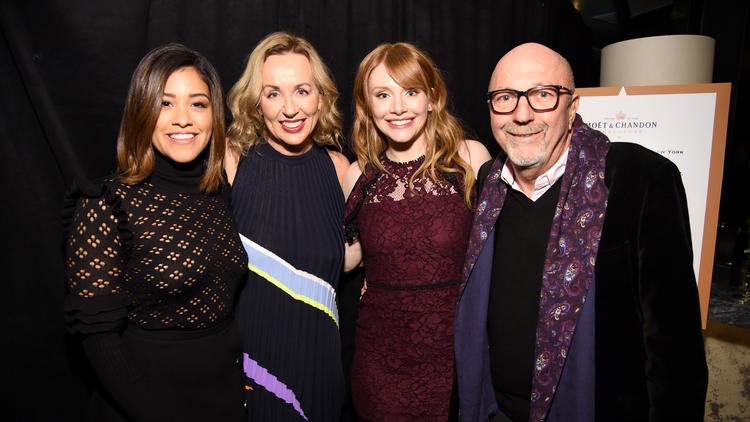
.@MoetUSA toasts aspiring filmmakers with an annual competition that will culminate at #Tribeca2017. http://lat.ms/2jc2eKD

Hoy sonrío gracias a la mujer que me dio la vida y a ella la celebro todos los días.
#HijaDeMiMadre
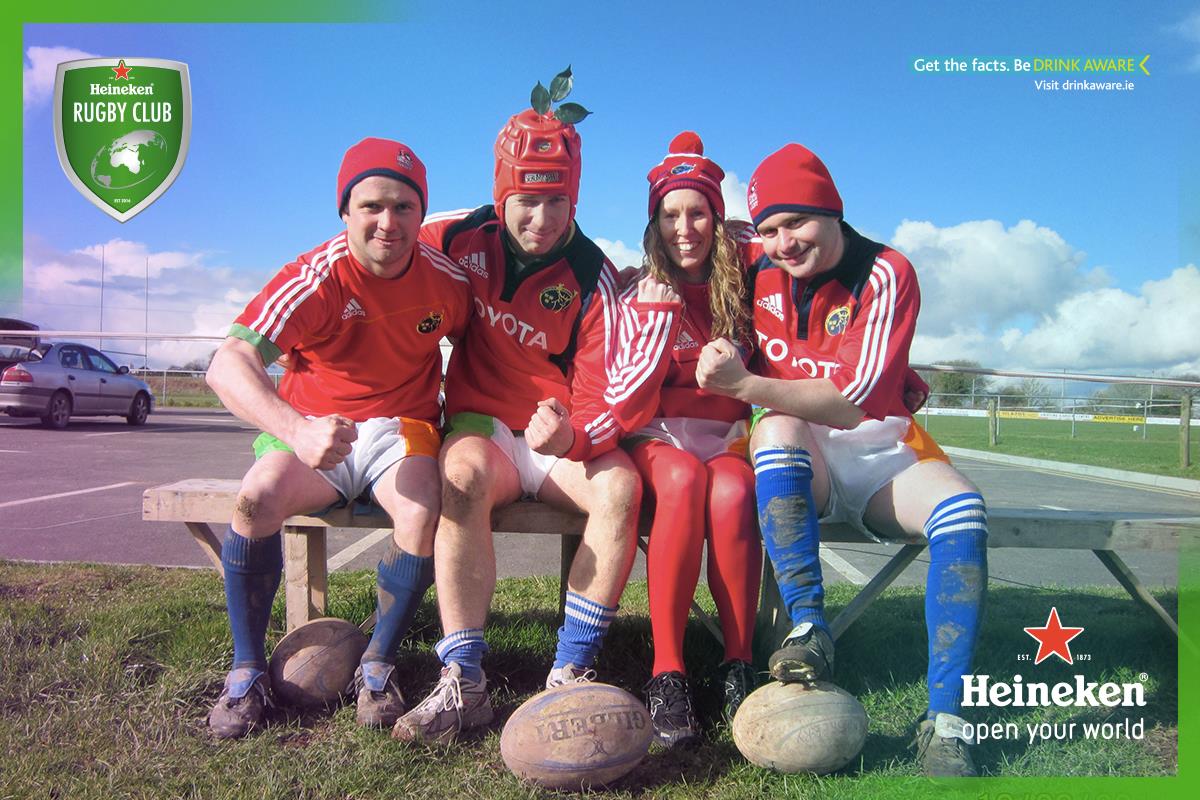
Would you sell a signed Munster jersey to fund going to Toulon for a match? Niamh Barron did http://bit.ly/20Tx8HZ
 Tribeca
 ABSOLUTIrl
 Undertow Beach Bar
  Fa Liahut
 Drinkawaste