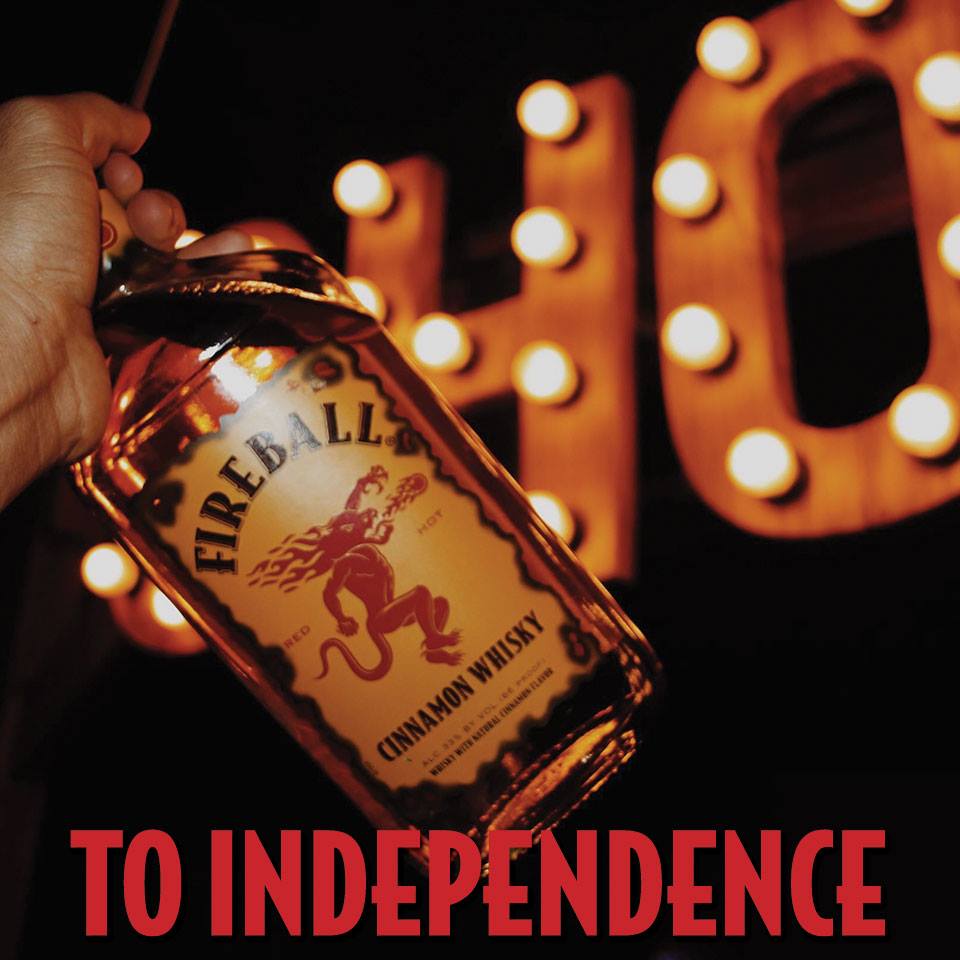
You know you’re
#GamedayReady when you pop open your drink with claws.#Halloween
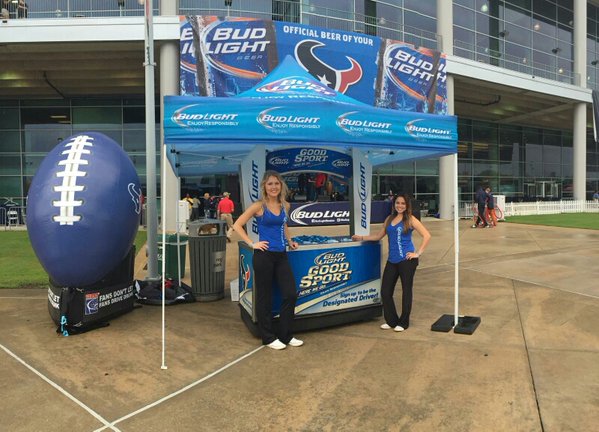
Texans Never Drive Drunk
.
@HoustonTexans fans help us win the Bud Light Designated Driver Challenge with a RT using#TexansNeverDriveDrunk
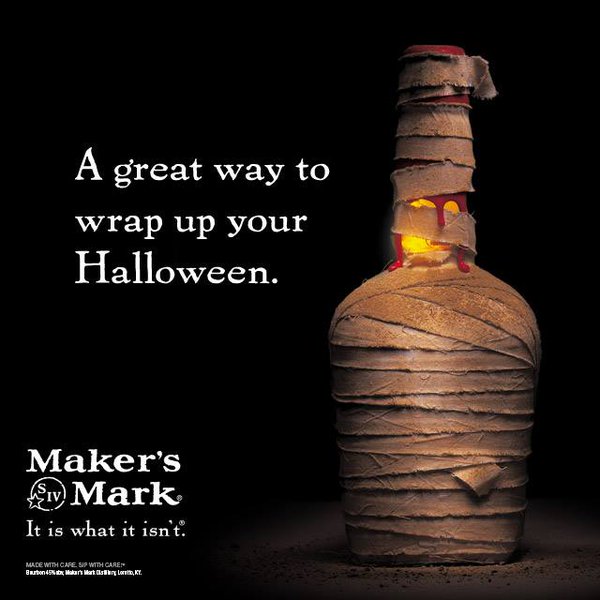
Halloween hangover by Maker’s Mark
It’s almost the stroke of midnight on All Hallows’ Eve, time for a nightcap?
#Halloween
Bud Light making fun of 8% alcohol/ethanol
Bacon-A-Rita? Probs not. But which flavor would you like us to bring back for the winter?
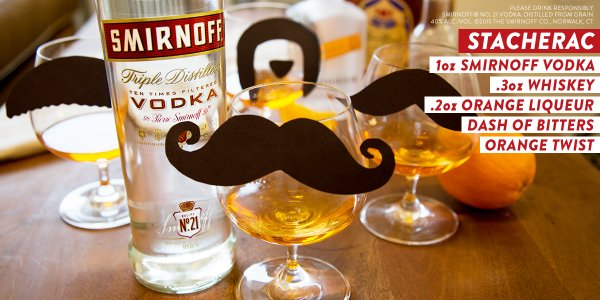
smirnoff raspberry & champagne, punch drunk!
This
#EasyDrink is a shout-out to every team and fanbase — even those not playing for the ‘ship.
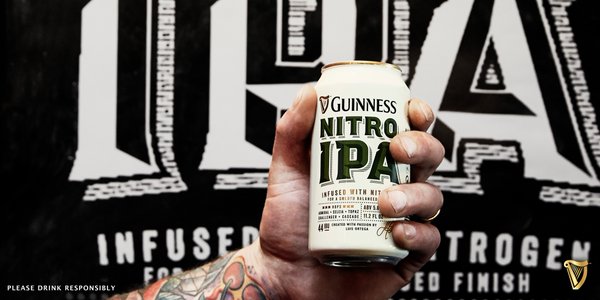
No mention of alcohol. . #Guinness #DontCare
Celebrating
#NationalAmericanBeerDay with an India Pale Ale made in Ireland.#Guinness#DontCare
Jack Daniel’s 40% alcohol, it says so on the label. Must be a mistake!
100% whiskey w whiskey. To jest Jack.
Potential effects of short-term heavy drinking
Even drinking to excess occasionally can have serious consequences. It impairs your judgment and can increase the likelihood of participating in risky behaviours that could result in injuries, accidents, unsafe sex, being a victim of a crime or getting into trouble with the police. Drinking very large amounts in one session can lead to acute alcohol poisoning, which in turn can result in unconsciousness, a coma, or even death.
Risky drinking
Intoxication
Intoxication is the point at which alcohol depresses your central nervous system so that your physical and mental abilities are noticeably affected. Each of us responds somewhat differently to alcohol based on our mood, the drinking setting, our physical health, weight and tolerance. Typically, though, if you’re drunk you are likely to experience impaired judgement and coordination, slurred speech, diminishing senses, slower mental processing and intensified emotions.
Is all alcohol the same?
The alcohol found in all alcohol beverages – whether beer, wine or distilled spirits – is always ethanol or ethyl alcohol. It is the other ingredients of each beverage that affect the taste.
However, where alcohol can differ is in its quality. Non-commercially produced alcohol – sometimes called moonshine – and illicit, counterfeit or smuggled beverages, can be lower in quality, contaminated or even toxic. The World Health Organisation estimates that about 50 percent of the alcohol consumed worldwide is non-commercially produced. As alcohol beverages in this category are not regulated and held to the same health and safety standards as commercial alcohol, some beverages in this category can represent a serious public health concern.
What is important to remember is that alcohol is alcohol. There are no ‘safer’ forms of alcohol, regardless of whether you drink beer wine or spirits. What ultimately matters is how much you drink, not what you drink
http://www.drinkiq.com. Diageo