-

jamee_mountenay_
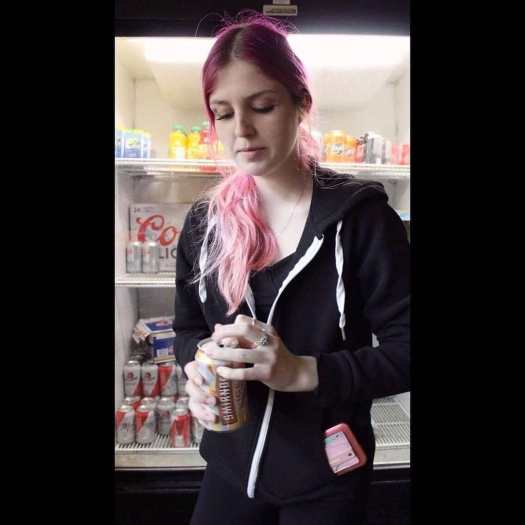
Dont drink, kids.
Whats your favourite summer drink?? ⠀⠀ ⠀⠀⠀⠀⠀⠀ ⠀⠀⠀⠀⠀ ⠀⠀⠀⠀⠀ ⠀⠀⠀⠀⠀ ⠀⠀⠀⠀⠀ ⠀⠀⠀⠀⠀ ⠀📷; @_jamesrankin_ -
Alcohol toxic, addictive, psychoactive
Dont drink, kids.
Whats your favourite summer drink?? ⠀⠀ ⠀⠀⠀⠀⠀⠀ ⠀⠀⠀⠀⠀ ⠀⠀⠀⠀⠀ ⠀⠀⠀⠀⠀ ⠀⠀⠀⠀⠀ ⠀⠀⠀⠀⠀ ⠀📷; @_jamesrankin_

JohnnieWalkerSAVerified account @JohnnieWalkerSA 20 minutes ago
To our fathers, father-figures and single-mothers everywhere, raising a glass to you is but a small gesture for raising us. #HappyFathersDay

@campariofficil #EnteringRed, the new short movie directed by Matteo Garrone, starring @ana_d_armas – #Campari #negroni #negronicocktail #RedDiaries #N100 #anadearmas #reddress

1. Why does your skin appear dull after drinking?
Alcohol dehydrates your skin and depletes it of vital skin nutrients
2. If you overindulge in alcohol, what long-term effect on facial blood vessels occur?
Drinking alcohol causes facial blood vessels to dilate. Excessive alcohol can cause the vessels to dilate permanently. This causes red spiky veins.
3. Does alcohol consumption affect other skin conditions such as rosacea and psoriasis?
Alcohol may aggravate these skin conditions and cause additional flare ups
4. Which foods should you avoid when suffering a hangover?
Anything fried. Choose nutrient rich foods to reverse some of the negative effects of the drinking from the night before, whole grain toast for example
5. Alcohol depletes which beneficial vitamin?
Vitamin A, an important anti-oxidant
6. Why is vitamin A beneficial to the skin?
Vitamin A is an anti-oxidant that boosts collagen production and skin cell turnover
7. What is the primary physical trait of heavy drinkers?
Heavy drinkers usually have rosy cheeks, a red nose or a flushed face
8. What should you drink along with alcohol to avoid dehydration?
Drinking water along with alcohol will counteract the effects of the alcohol and will decrease dehydration
9. The toxins in alcohol can contribute to what unattractive skin flaw?
Alcohol can cause the build up of cellulite
10. After several drinks, the body will divert oxygen and blood away from where?
The skin. Skin loses important blood circulation because oxygen and blood is diverted to the liver and other organs
Source: Howstuffworks.com
A protein has been identified that plays a key role in the link between drinking alcohol and breast cancer.
Women with higher levels of the molecule in their breasts are more likely to develop cancer if they drink too much, research suggests.
Scientists in Mexico say their discovery could lead to a test showing which individuals are most at risk. Preventative measures could them be taken, such as helping vulnerable people cut down on alcohol.
The protein, an enzyme called CYP2E1, is believed to be involved in breaking down ethanol, otherwise known as alcohol , in the body.
In the process, unstable destructive oxygen molecules called free radicals are generated, which attack cell membranes and DNA.
Free radical damage, or oxidative stress, is known to be linked to cancer as well as other health problems such as heart disease and diabetes.
Alcohol consumption is a long-established risk factor for breast cancer but until now the reason for the link has not been clear.
In this situation why aren’t women being warned of the dangers? How are drinks companies allowed advertise alcohol without any warning? Why is there no breakdown of the composition of alcohol drinks on the bottles or cans?
 Drinkawaste