Diageo NewsVerified account @Diageo_News 11 minutes ago
Hear from Grainne Wafer in the new @wfamarketers Guide to Progressive Gender Portrayals in Advertising https://www.wfanet.org/app/uploads/2018/05/WFA-Gender-guide_final.pdf … …

Alcohol toxic, addictive, psychoactive
Diageo NewsVerified account @Diageo_News 11 minutes ago
Hear from Grainne Wafer in the new @wfamarketers Guide to Progressive Gender Portrayals in Advertising https://www.wfanet.org/app/uploads/2018/05/WFA-Gender-guide_final.pdf … …

Last year our Global #Digital Director, Isabel Massey was named in @MT_editorial’s #35under35 list. Tonight sees her appear as a guest speaker at the 35 Under 35 alumni event reflecting on her own career & ways to champion #diversity in the workplace: https://bit.ly/2F9ryLK

.@ShaninaMShaik, @sukiwaterhouse and James Marsden came together at Diageo’s The Cooperage to learn more about the Scotch whisky making process for #InternationalScotchDay. Continue to #JoinTheCelebration at #LoveScotch.

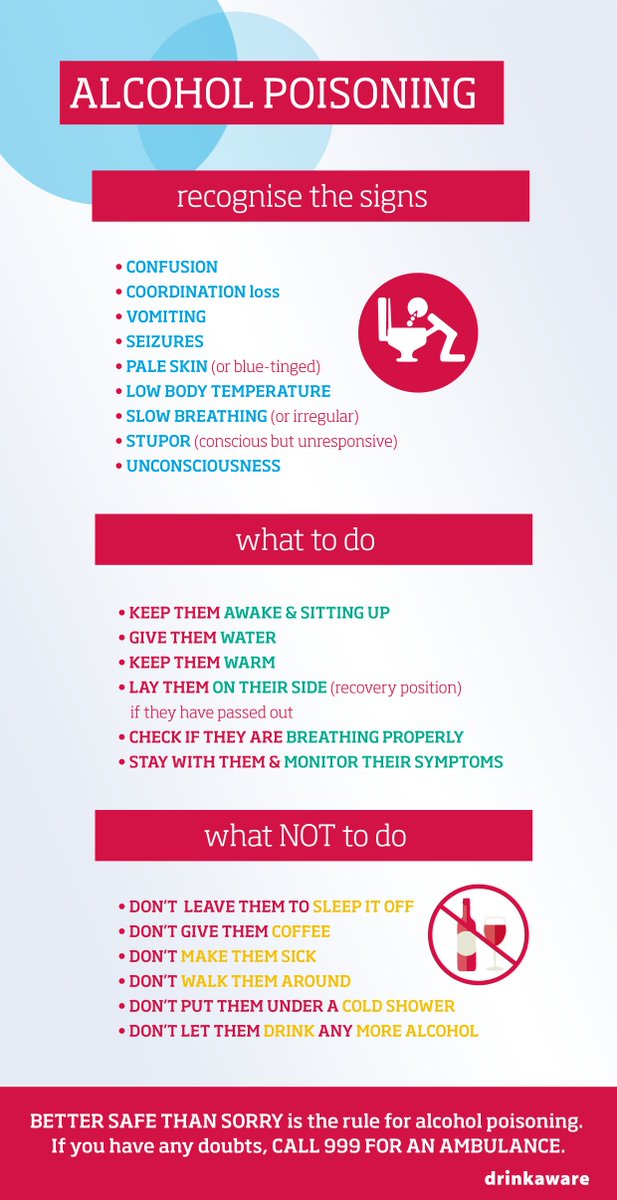
Alcohol poisoning – for symptoms,causes, and effects see here: http://bit.ly/2cLmFQC

On March 15, 1962, President John F.Kennedy presented a speech to the United States Congress in which he extolled four basic consumer rights, later called the Consumer Bill of Rights. The United Nations Guidelines for Consumer Protection expanded these into eight rights and thereafter Consumers International adopted these as a charter and started recognising March 15 as World Consumer Rights Day.
The second of the 4 basic rights is the right to be informed. The right states that businesses should always provide consumers with enough appropriate information to make intelligent and informed product choices. Product information should always be complete and truthful.
Source; Wikipedia
So the consumer has a right to know.
Most businesses comply with the Guidelines responsibly, particularly in the food and drink category, which is fundamental to health and well-being. If you buy a pack of yogurt or a bottle of water there will be analysis of the nutritional information on the label. There is one exception.
Advertising and marketing communications for alcohol products does not mention alcohol or give any information directly to the consumer, either in advertising or on pack. For a toxic drug like alcohol the only reference on the bottle or can is “alc. 4.5% by vol.” in the case of beer. 40% in the case of spirits.
It is hard to reconcile this situation of providing the consumer with little or no information on alcohol, with the United Nations Guidelines for Consumer Protection.
Drinks industry has set up a smokescreen to prevent alcohol information be passed directly to consumers. Drinkiq and Drinkaware are the most familiar. People should be aware they are set up and wholly funded by the drinks industry.


