https://www.instagram.com/reel/DP6hG22iAkE/?igsh=MWVsZXV1eWplNTBpZg==

Alcohol toxic, addictive, psychoactive


Captaining your team to victory in any Test match is special, doing it with your first child there for the first time is even better! Big performance from @englandrugby today, what did you make of it @englandrugby fans? #rugbygram #rugby


Republicans drive US drinking rate to historic low at 46%
The percentage of US adults who say they drink alcohol has fallen to 54% — the lowest figure in Gallup’s nearly 90-year trend, and down from 62% in 2023. The decline coincides with a growing belief that moderate alcohol consumption is harmful, now the majority view for the first time.
Gallup’s annual Consumption Habits survey, conducted 7-21 July 2025, found that from 1997 to 2023, at least 60% of Americans reported drinking. Before this latest poll, the rate had been under 60% fewer than 10 times, including 58% in the initial 1939 poll and a previous low of 55% in 1958. The highest levels — 68% to 71% — came between 1974 and 1981.
The drop since 2023 has been sharper among women (down 11 points to 51%) than men (down five points to 57%). It has also fallen 11 points among non-Hispanic White adults, but held steady at around 50% among people of colour.
Young adults’ drinking rate has dropped from 59% in 2023 to 50%, placing them below middle-aged and older adults. Republicans have also reported a sharp decline — down 19 points to 46% — while Democrats remain stable at 61%.
The poll found no evidence that the decline is due to people switching to other substances such as recreational marijuana, which has remained steady in use over the past four years.
For the first time, a majority of Americans (53%) say that drinking in moderation — defined as one or two drinks a day — is bad for health. Just 6% say it is good for health, while 37% believe it makes no difference.
This marks a sharp rise from 28% in 2018, 39% in 2023 and 45% in 2024. From 2001 to 2011, about 25% viewed moderate drinking as harmful, roughly matching the percentage who saw it as beneficial.
Young adults are the most likely to see moderate drinking as harmful. Around two-thirds now hold this view, compared with lower but rising levels among middle-aged and older adults. Women are more likely than men to see moderate drinking as unhealthy (60% vs. 47%), and Democrats (58%) and independents (55%) are more likely than Republicans (44%).
Even among those who drink, consumption is falling. A record-low 24% of drinkers said they had consumed alcohol in the past 24 hours, while 40% said it had been more than a week — the highest level since 2000.
The average number of drinks consumed over the past week is now 2.8 — down from 3.8 a year ago and the lowest Gallup has recorded since 1996. The highest average was 5.1 drinks in 2003.
Adults who believe moderate drinking is harmful are just as likely to drink as those who do not (55% vs. 54%), but they are less likely to have drunk in the past week (49% vs. 69%) and consume fewer drinks on average (4.5 vs. 6.4).
Beer remains the most preferred alcoholic drink among US drinkers, ahead of liquor (30%) and wine (29%). Before 2019, liquor ranked last, but in recent years it has roughly matched wine in popularity.
Gender differences persist, with men more likely than women to choose beer (52% vs. 23%), while women are more likely to choose wine (44% vs. 14%). Liquor preference is almost even (29% men, 32% women). Younger and middle-aged adults are more likely than over-55s to prefer beer, while young adults are least likely to prefer wine.
According to Gallup, the decline in drinking marks three consecutive years of falling rates. The poll suggests that growing medical consensus that no amount of alcohol is safe may be shaping consumer habits — with both the proportion of Americans drinking and the amount they drink in retreat.
Republicans drive US drinking rate to historic low at 46%
The percentage of US adults who say they drink alcohol has fallen to 54% — the lowest figure in Gallup’s nearly 90-year trend, and down from 62% in 2023. The decline coincides with a growing belief that moderate alcohol consumption is harmful, now the majority view for the first time.
Gallup’s annual Consumption Habits survey, conducted 7-21 July 2025, found that from 1997 to 2023, at least 60% of Americans reported drinking. Before this latest poll, the rate had been under 60% fewer than 10 times, including 58% in the initial 1939 poll and a previous low of 55% in 1958. The highest levels — 68% to 71% — came between 1974 and 1981.
The drop since 2023 has been sharper among women (down 11 points to 51%) than men (down five points to 57%). It has also fallen 11 points among non-Hispanic White adults, but held steady at around 50% among people of colour.
Young adults’ drinking rate has dropped from 59% in 2023 to 50%, placing them below middle-aged and older adults. Republicans have also reported a sharp decline — down 19 points to 46% — while Democrats remain stable at 61%.
The poll found no evidence that the decline is due to people switching to other substances such as recreational marijuana, which has remained steady in use over the past four years.
For the first time, a majority of Americans (53%) say that drinking in moderation — defined as one or two drinks a day — is bad for health. Just 6% say it is good for health, while 37% believe it makes no difference.
This marks a sharp rise from 28% in 2018, 39% in 2023 and 45% in 2024. From 2001 to 2011, about 25% viewed moderate drinking as harmful, roughly matching the percentage who saw it as beneficial.
Young adults are the most likely to see moderate drinking as harmful. Around two-thirds now hold this view, compared with lower but rising levels among middle-aged and older adults. Women are more likely than men to see moderate drinking as unhealthy (60% vs. 47%), and Democrats (58%) and independents (55%) are more likely than Republicans (44%).
Even among those who drink, consumption is falling. A record-low 24% of drinkers said they had consumed alcohol in the past 24 hours, while 40% said it had been more than a week — the highest level since 2000.
The average number of drinks consumed over the past week is now 2.8 — down from 3.8 a year ago and the lowest Gallup has recorded since 1996. The highest average was 5.1 drinks in 2003.
Adults who believe moderate drinking is harmful are just as likely to drink as those who do not (55% vs. 54%), but they are less likely to have drunk in the past week (49% vs. 69%) and consume fewer drinks on average (4.5 vs. 6.4).
Beer remains the most preferred alcoholic drink among US drinkers, ahead of liquor (30%) and wine (29%). Before 2019, liquor ranked last, but in recent years it has roughly matched wine in popularity.
Gender differences persist, with men more likely than women to choose beer (52% vs. 23%), while women are more likely to choose wine (44% vs. 14%). Liquor preference is almost even (29% men, 32% women). Younger and middle-aged adults are more likely than over-55s to prefer beer, while young adults are least likely to prefer wine.
According to Gallup, the decline in drinking marks three consecutive years of falling rates. The poll suggests that growing medical consensus that no amount of alcohol is safe may be shaping consumer habits — with both the proportion of Americans drinking and the amount they drink in retreat.
https://www.instagram.com/reel/Cq7yEQ6gW-i/?igshid=ZGY5ODdmOGM=


•
Follow
Liked by edvaanmartins and others
 bacardi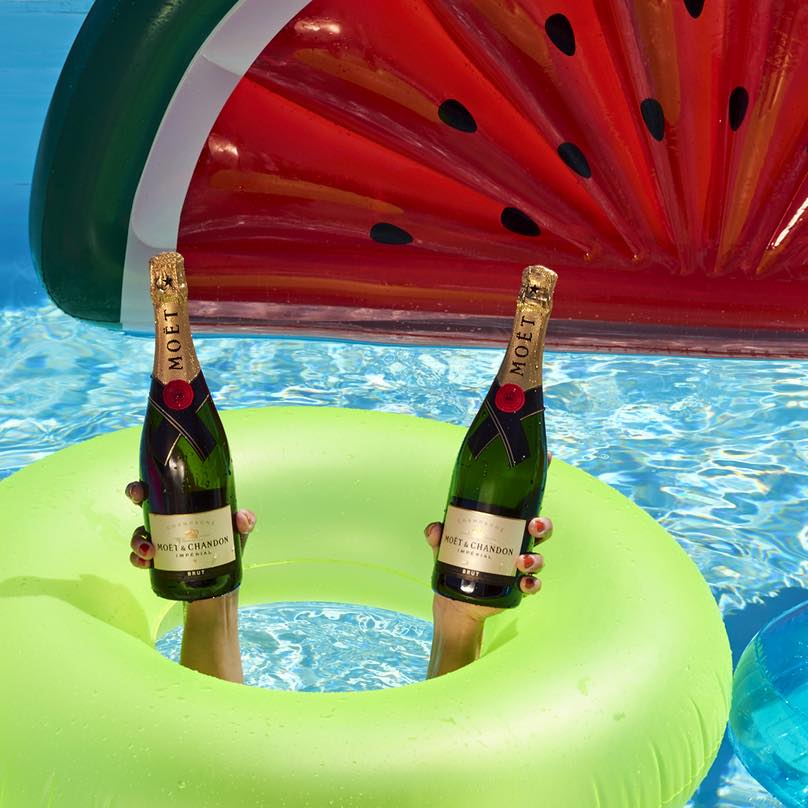
The scientific name for alcohol that people drink is ethyl alcohol or ethanol. Beer, wine, and liquor all contain ethyl alcohol. Other types of alcohol, like rubbing alcohol (isopropyl alcohol), are poisonous if consumed.
After you drink an alcoholic beverage like beer or wine, the alcohol enters your bloodstream from your stomach and small intestine. From there, it travels to your brain. There, it slows reaction time, makes you less coordinated, impairs your vision, and — even at relatively low doses — leads to unclear thinking and problems making good judgments.
Yes, alcohol is highly addictive. About 18 million adults are addicted to alcohol. This means they need to drink alcohol in order to function normally, and their drinking causes problems in their lives.
Alcohol addiction can begin at any time in someone’s life. But starting to drink when you are a teenager increases the risk for addiction. Teens who start drinking alcohol before age 15 are five times likelier to develop a later addiction to alcohol than those who begin drinking at age 21 or older.
No. All alcoholic drinks contain alcohol, and all can be just as dangerous. The more alcohol you drink, the more you will be impaired. Beer, wine, and liquor all contain different amounts of alcohol. Beer is between 3% and 5% alcohol; wine is about 12%; and liquor usually is about 40% alcohol. One beer has about the same amount of alcohol as one glass of wine or one “shot” of liquor.
Drinking alcohol is a social activity — most people drink with friends. Because alcohol makes people feel less inhibited, they feel more at ease socializing when they drink. People also drink just because other people are drinking. For many people, it feels good to be doing what everybody else is doing. But drinking just because everybody else is drinking can lead to problems, especially if people are drinking too much.
On the other hand, many people enjoy the taste of alcoholic beverages. And when consumed by adults in small to moderate amounts, especially with meals, alcohol may be good for the heart.
https://www.instagram.com/reel/Cq7yEQ6gW-i/?igshid=ZGY5ODdmOGM=

 Drinkawaste