

Hot shot crew, this is for you.
#JackFire
Alcohol toxic, addictive, psychoactive
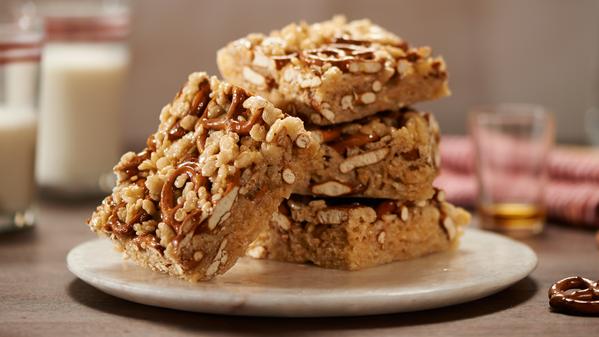
Bake your favourite
#bourbon into some delicious mid-week pick-me-up treats
Will future kids think about spaceships the way we think of Viking sailboats?
#PubPonderings

Bourbonblog.com retweeted
@bourbonblog My first taste of William Heavenhill from@HeavenHillDist 100 proof BIB well done fellas

Bourbonblog.com retweeted
Drinking tonight in the sprinkle
#DrinkinTonight@bourbonblog@ChicagoBourbon
Aged 4 years, 40% ABV, the flagship whiskey – Jim Beam bourbon.

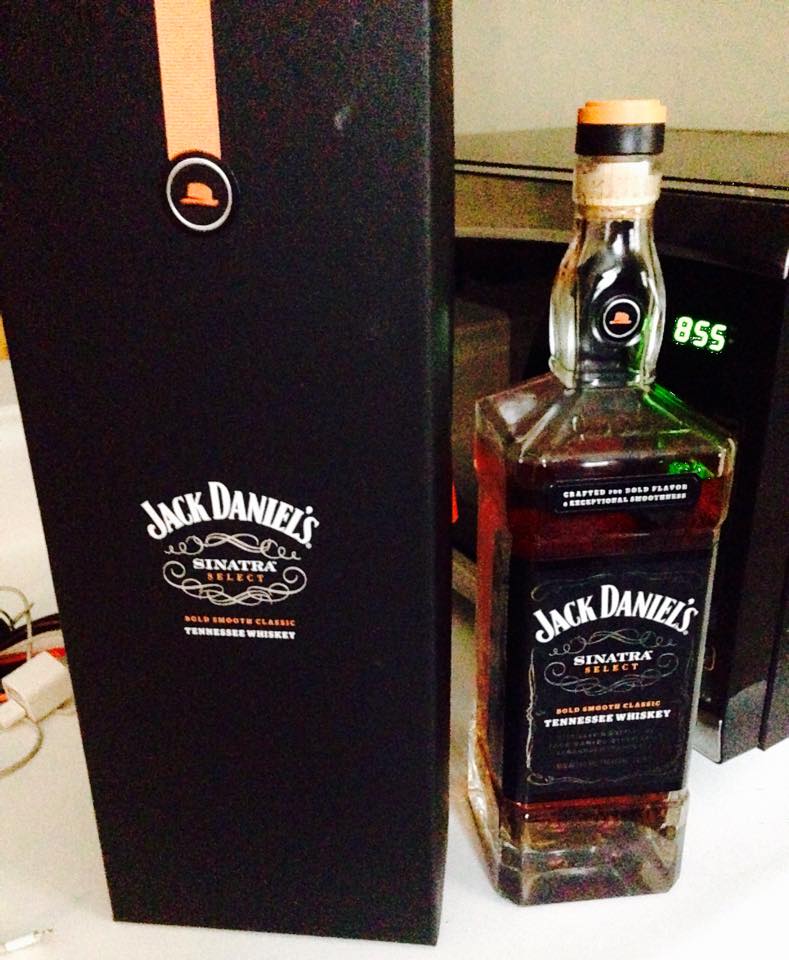
Jack Daniel’s on Facebook. Stealth marketing of heavy alcohol/ethanol
Hide alcohol behind icons like Sinatra
Deceive the consumer. This is a bottle of 40% alcohol/ethanol
The body converts alcohol to acetaldehyde/acetic acid and sends it to the brain
There its ferocious toxicity immediately creates mayhem

Recent investigations have suggested that acetaldehyde may be responsible for the development of alcohol addiction. Acetaldehyde in the brain may inhibit enzymes designed to convert certain nerve transmitters from aldehydes to acids. The nerve transmitters that accumulate may then react with the acetaldehyde to form compounds which are startlingly similar to certain morphine-type compounds.
A protein has been identified that plays a key role in the link between drinking alcohol and breast cancer.
Women with higher levels of the molecule in their breasts are more likely to develop cancer if they drink too much, research suggests.
Scientists in Mexico say their discovery could lead to a test showing which individuals are most at risk. Preventative measures could them be taken, such as helping vulnerable people cut down on alcohol.
The protein, an enzyme called CYP2E1, is believed to be involved in breaking down ethanol, otherwise known as alcohol , in the body.
In the process, unstable destructive oxygen molecules called free radicals are generated, which attack cell membranes and DNA.
Free radical damage, or oxidative stress, is known to be linked to cancer as well as other health problems such as heart disease and diabetes.
Alcohol consumption is a long-established risk factor for breast cancer but until now the reason for the link has not been clear.
In this situation why aren’t women being warned of the dangers? How are drinks companies allowed advertise alcohol without any warning? Why is there no breakdown of the composition of alcohol drinks on the bottles or cans?
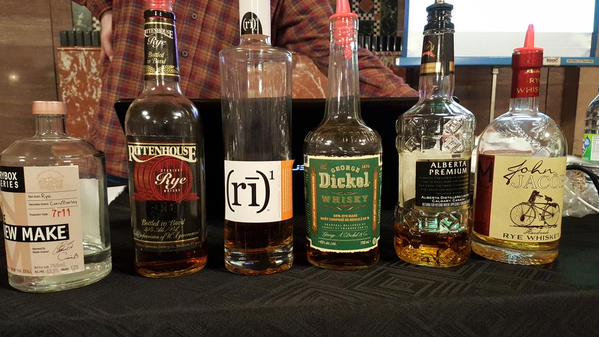
 Cablelink
  CCP
CCP  John Gudac
  Drinkawaste